
Protecting Privacy in Home IoT Devices: How to Shield Your Connected Environment

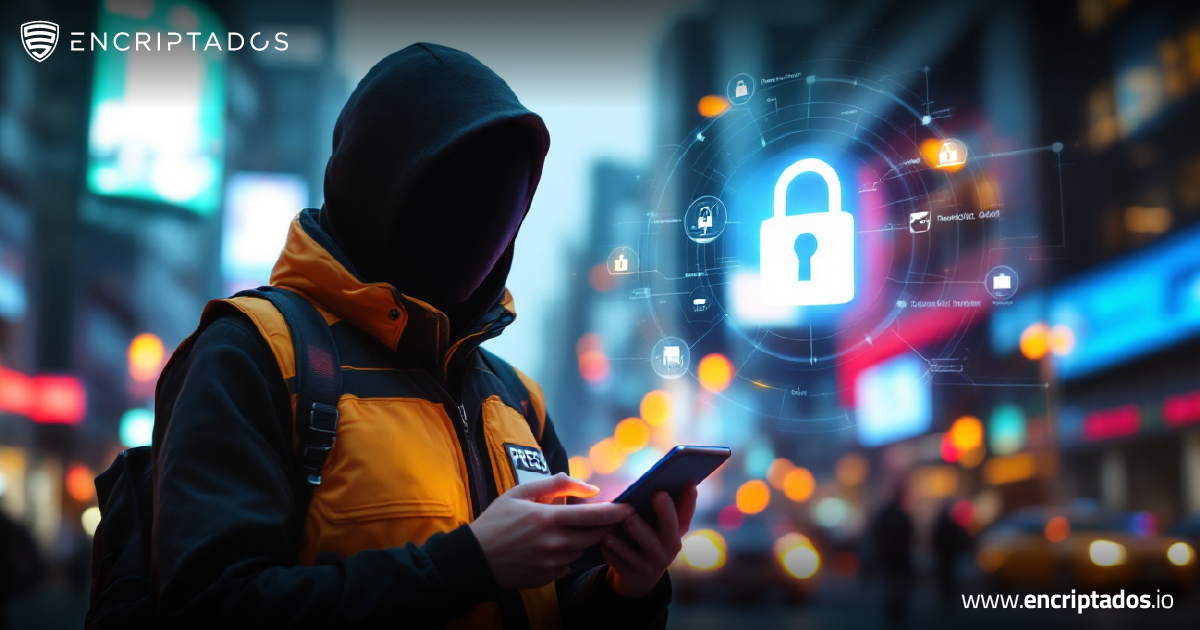
The digital transformation of the home has brought comfort, automation, and efficiency. However, it has also opened the door to a new set of threats: vulnerabilities in smart assistants, cameras, thermostats, and all kinds of IoT devices connected to our home network. Each device can become an entry point for espionage, unauthorized surveillance, or the theft of sensitive information.

Privacy within the home IoT ecosystem is no longer optional — it is an urgent necessity. Protecting it properly requires understanding the risks and applying advanced security solutions such as encrypted phones, secure VPNs, and private SIM cards like those offered by Encriptados.io.

🔍 The Hidden Risks Behind IoT Devices

Many smart devices were designed to be practical, not necessarily secure. This makes them attractive targets for hackers or entities seeking to collect information.

Some of the most common risks include:

  • Remote eavesdropping or surveillance through cameras, microphones, or smart assistants

  • Leaks of personal data such as location, routines, usage patterns, or passwords

  • Unauthorized access to the home Wi-Fi network, allowing attackers to reach other computers and smartphones

  • Malicious control of devices, including activating cameras or manipulating thermostats

The real danger? Most users don’t know this is happening because it often occurs silently in the background, without any visible signs.

🔐 How to Shield Your Connected Home

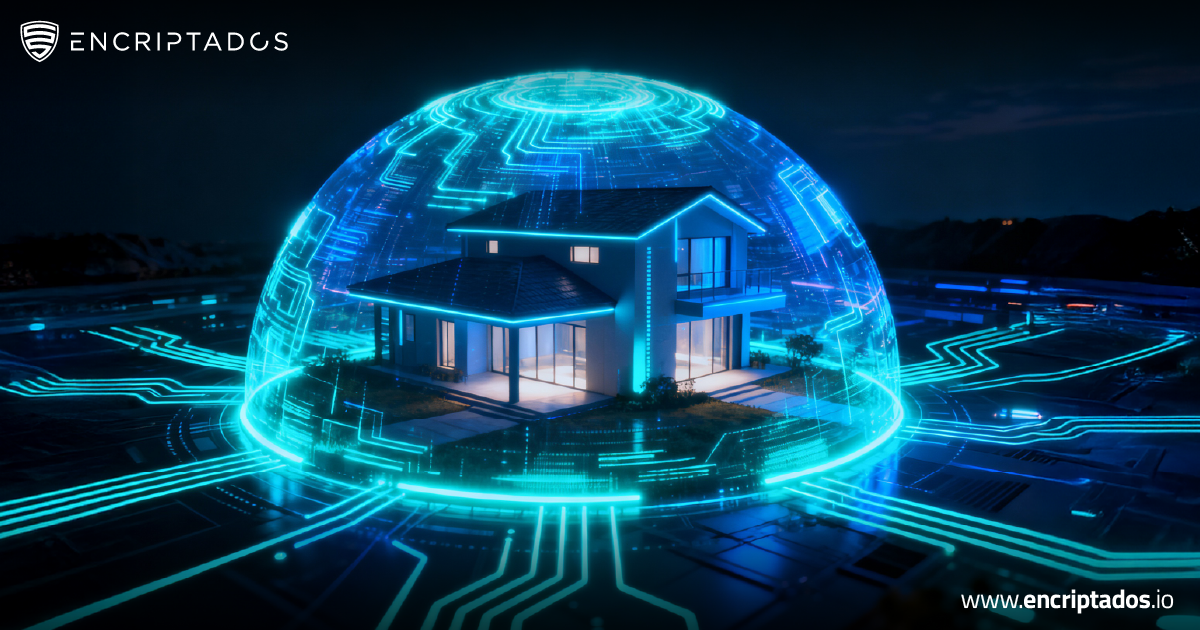
Protecting privacy in an IoT environment requires a layered security strategy. These are the essential steps:

1. Isolate IoT devices on a separate network

Create a dedicated Wi-Fi network for cameras, assistants, and smart appliances. This prevents an attack on an IoT device from compromising your personal devices.

2. Use strong, unique passwords

Avoid reusing the same password everywhere. IoT devices with weak credentials are the easiest to hack.

3. Disable functions you don’t need

If your camera or assistant has continuous microphone access, consider disabling it whenever it’s not essential.

4. Update firmware regularly

Updates fix security vulnerabilities that attackers exploit. Keeping everything up to date is crucial.

📱 Integration With Secure Smartphones and Encrypted SIMs

Even if your IoT devices are correctly configured, full protection is only possible when the system is managed through secure mobile devices.

Why?
Because many home vulnerabilities originate from mobile apps and remote-access features used to control smart devices.

Encriptados.io offers solutions to secure this critical point:

  • Encrypted phones that prevent unauthorized access

  • Private, encrypted SIM cards ideal for secure remote connections

  • Military-grade encrypted VPNs to protect traffic between your phone and IoT devices

When your connected home is managed from a secure phone, the chances of interception, monitoring, or manipulation by third parties are dramatically reduced.

🧭 Conclusion: Home Cybersecurity Starts With the User

Privacy in smart homes depends not only on technology, but on how it is configured and managed. Securing your IoT ecosystem with best practices and advanced encryption technology ensures that your private life stays truly private.

At Encriptados.io, we provide the tools you need to protect every corner of your digital environment.
Articulos Destacados

Suscríbete a nuestro Blog

Sign up and receive our free guide on “The 4 worst scenarios you can face if your Sim Card is hacked” and learn:

  • What are the risks we currently have in matters of mobile devices
  • Why you should protect your Sim Card and think about having an Encrypted Sim Card

Tu eSIM de Encriptados funciona en estos paises disponibles

  1. Anguila
  2. Antigua y Barbuda
  3. Argentina
  4. Bahamas
  5. Barbados
  6. Bolivia
  7. Brasil
  8. Islas Vírgenes Británicas
  9. Islas Caimán
  10. Chile
  11. Colombia
  12. Costa Rica
  13. Dominica
  14. República Dominicana
  15. Ecuador
  16. El Salvador
  17. Guayana Francesa
  18. Granada
  19. Guadalupe
  20. Guatemala
  21. Honduras
  22. Jamaica
  23. México
  24. Montserrat
  25. Antillas Neerlandesas
  26. Nicaragua
  27. Panamá
  28. Paraguay
  29. Perú
  30. Puerto Rico
  31. San Cristóbal y Nieves
  32. Santa Lucía
  33. San Vicente y las Granadinas
  34. Islas Turcas y Caicos
  35. Uruguay
  36. Venezuela

Tu eSIM de Encriptados funciona en estos paises disponibles

Sudáfrica

Tu eSIM de Encriptados funciona en estos paises disponibles

  1. Australia
  2. Nueva Zelanda

Tu eSIM de Encriptados funciona en estos paises disponibles

  1. Japón
  2. Arabia Saudita
  3. China
  4. Laos
  5. Corea del Sur
  6. Vietnam
  7. Irak
  8. Singapur
  9. Bangladesh
  10. Azerbaiyán
  11. Camboya
  12. India
  13. Baréin
  14. Sri Lanka
  15. Taiwán
  16. Filipinas
  17. Georgia
  18. Tailandia
  19. Armenia
  20. Israel
  21. Malasia
  22. Indonesia
  23. Pakistán
  24. Turquía
  25. Kazajistán
  26. Kirguistán
  27. Hong Kong
  28. Macao
  29. Uzbekistán
  30. Kuwait
  31. Mongolia
  32. Catar
  33. Emiratos Árabes Unidos

Tu eSIM de Encriptados funciona en estos paises disponibles

  1. Canadá
  2. Estados Unidos

Tu eSIM de Encriptados funciona en estos paises disponibles

  1. Albania
  2. Austria
  3. Bielorrusia
  4. Bélgica
  5. Bosnia y Herzegovina
  6. Bulgaria
  7. Croacia
  8. Chipre
  9. República Checa
  10. Dinamarca
  11. Estonia
  12. Finlandia
  13. Francia
  14. Alemania
  15. Grecia
  16. Hungría
  17. Islandia
  18. Irlanda
  19. Italia
  20. Letonia
  21. Liechtenstein
  22. Lituania
  23. Luxemburgo
  24. Macedonia
  25. Malta
  26. Moldavia
  27. Mónaco
  28. Montenegro
  29. Países Bajos
  30. Noruega
  31. Polonia
  32. Portugal
  33. Rumania
  34. Federación Rusa
  35. Serbia
  36. Eslovaquia
  37. Eslovenia
  38. España
  39. Suecia
  40. Suiza
  41. Ucrania
  42. Reino Unido

Tu eSIM de Encriptados funciona en estos paises disponibles

  1. Albania
  2. Alemania
  3. Andorra
  4. Angola
  5. Antigua y Barbuda
  6. Arabia Saudita
  7. Argelia
  8. Argentina
  9. Armenia
  10. Australia
  11. Austria
  12. Azerbaiyán
  13. Bahamas
  14. Baréin
  15. Bangladesh
  16. Barbados
  17. Bielorrusia
  18. Benín
  19. Bélgica
  20. Bolivia
  21. Bosnia y Herzegovina
  22. Brasil
  23. Bulgaria
  24. Camboya
  25. Canadá
  26. Catar
  27. Chequia (República Checa)
  28. Chile
  29. China
  30. Chipre
  31. Colombia
  32. Corea del Sur
  33. Costa Rica
  34. Croacia
  35. Dinamarca
  36. Dominica
  37. Ecuador
  38. El Salvador
  39. Emiratos Árabes Unidos
  40. Eslovaquia
  41. Eslovenia
  42. España
  43. Estados Unidos
  44. Estonia
  45. Federación Rusa
  46. Filipinas
  47. Finlandia
  48. Francia
  49. Gabón
  50. Georgia
  51. Ghana
  52. Gibraltar
  53. Granada
  54. Grecia
  55. Guadalupe
  56. Guatemala
  57. Honduras
  58. Hong Kong
  59. Hungría
  60. India
  61. Indonesia
  62. Irak
  63. Irán
  64. Irlanda
  65. Islandia
  66. Islas Feroe
  67. Israel
  68. Italia
  69. Jamaica
  70. Japón
  71. Jordania
  72. Kazajistán
  73. Kenia
  74. Kirguistán
  75. Kosovo
  76. Laos
  77. Letonia
  78. Liechtenstein
  79. Lituania
  80. Luxemburgo
  81. Macedonia
  82. Madagascar
  83. Macao
  84. Malasia
  85. Malaui
  86. Malta
  87. México
  88. Mongolia
  89. Montenegro
  90. Montserrat
  91. Nepal
  92. Nicaragua
  93. Nigeria
  94. Níger
  95. Noruega
  96. Nueva Zelanda
  97. Países Bajos
  98. Pakistán
  99. Panamá
  100. Paraguay
  101. Perú
  102. Polonia
  103. Portugal
  104. Puerto Rico
  105. Reino Unido
  106. República Dominicana
  107. Ruanda
  108. Rumania
  109. San Cristóbal y Nieves
  110. San Vicente y las Granadinas
  111. Santa Lucía
  112. Serbia
  113. Singapur
  114. Sri Lanka
  115. Sudáfrica
  116. Suecia
  117. Suiza
  118. Tailandia
  119. Taiwán
  120. Tanzania
  121. Túnez
  122. Turquía
  123. Ucrania
  124. Uganda
  125. Uruguay
  126. Uzbekistán
  127. Venezuela
  128. Vietnam
  129. Zambia